
Delta Airlines Hubs: Complete Guide to Delta's Hub Network
Need Help With Your Flight Plans?
Skip long hold queues. Speak directly with an independent travel specialist for flight bookings, ticket changes, seat upgrades, and baggage assistance.
Toll-Free • Available 24/7 • Independent Desk
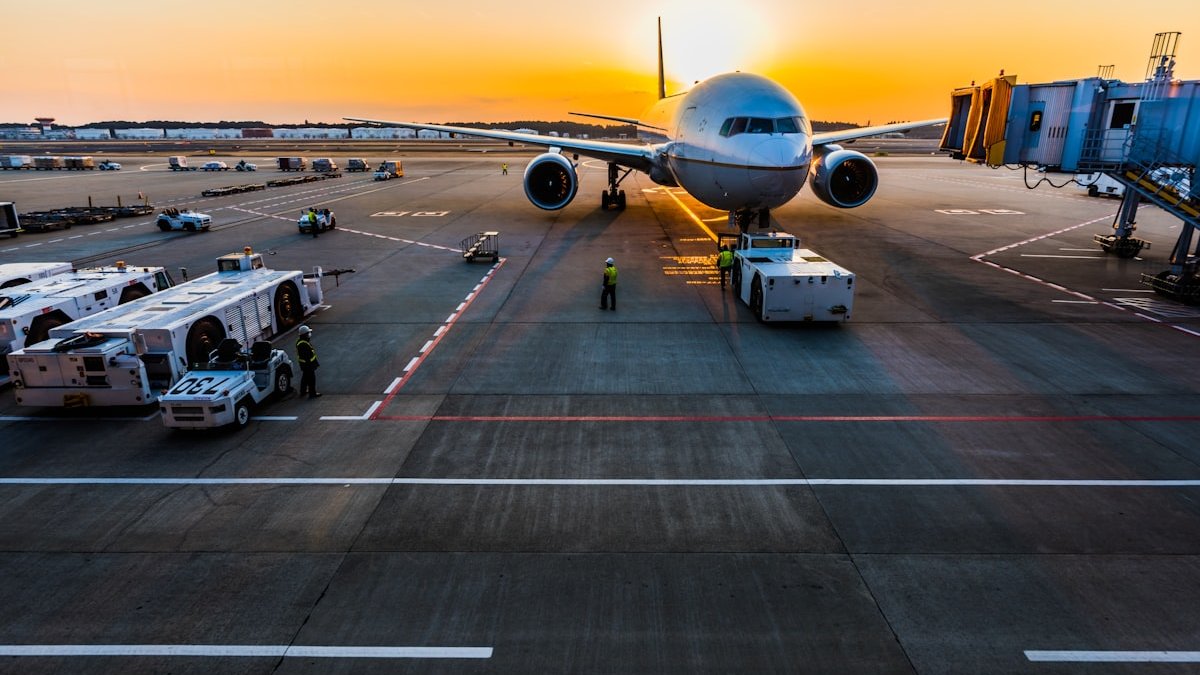
Delta Air Lines operates nine primary domestic hub airports in the United States: Atlanta (ATL), Detroit (DTW), Minneapolis-St. Paul (MSP), Salt Lake City (SLC), New York (JFK), New York (LGA), Boston (BOS), Los Angeles (LAX), and Seattle (SEA). Hartsfield-Jackson Atlanta International Airport serves as Delta's largest hub and world headquarters, handling hundreds of thousands of connecting passengers daily. Together, these nine hubs form the operational backbone of Delta's global route network.
Understanding how Delta structures its hubs helps travelers select better layovers, anticipate seasonal weather impacts, and minimize connection stress.
Planning a flight connection through a Delta hub?
Need help choosing the best connecting city or adjusting a tight layover? Contact our independent travel specialists for assistance.
📞 Call for Flight Assistance: +1 725 765 9837Independent travel assistance desk. Not affiliated with Delta Air Lines. Service fees may apply.
What Is an Airline Hub and How Does Delta Use Them?
An airline hub operates on a "hub-and-spoke" model. Rather than flying non-stop between every pair of small and mid-sized cities, Delta routes passengers from outlying regional "spoke" airports into a central "hub." At the hub, passengers transfer to other flights heading to their final destinations.
This model enables Delta to offer thousands of daily city-pair combinations with high flight frequencies. For travelers, flying through a hub means more schedule options and easier rebooking during weather delays.
Complete Overview of Delta's 9 Primary Hubs
Delta's nine hubs are strategically positioned across geographic regions:
1. Atlanta (ATL) – The Mega Hub and Headquarters
Hartsfield-Jackson Atlanta International Airport is the world's busiest airport and Delta's crown jewel.
- Role: Primary Southeast gateway, Latin America connector, and nationwide distribution hub.
- Flight Volume: Up to 1,000 peak daily departures.
- Layout: Seven parallel concourses (T, A, B, C, D, E, F) linked by the underground Plane Train.
- Discover more about navigating this massive facility in our guide to Delta's flagship Atlanta hub terminal.
2. Detroit (DTW) – The Midwest and Asian Gateway
Detroit Metropolitan Wayne County Airport is one of Delta's most operationally efficient hubs.
- Role: Primary Midwest connection point, major transatlantic hub, and key Asian transpacific gateway.
- Layout: Operates out of the modern McNamara Terminal, featuring the indoor ExpressTram.
- For an in-depth breakdown of DTW operations, see our complete guide on whether Detroit Metropolitan Airport is a Delta hub.
3. Minneapolis-St. Paul (MSP) – The Upper Midwest Powerhouse
Minneapolis-St. Paul International Airport serves as Delta's secondary Northern hub.
- Role: Essential connection center for the Upper Midwest, northern plains, Canada, and select European routes.
- Layout: Operates out of Terminal 1 (Lindbergh), spanning Concourses A through G.
- Winter Reliability: Known for world-class snow removal and de-icing capabilities.
4. Salt Lake City (SLC) – The Mountain West Hub
Salt Lake City International Airport connects the Rocky Mountain region to the West Coast and Midwest.
- Role: Primary Mountain West connecting point and gateway to national parks and ski resorts.
- Layout: Operates from the newly built airport complex, anchored in Concourse A.
5. New York - JFK (JFK) – Flagship International Gateway
John F. Kennedy International Airport is Delta's primary transatlantic and long-haul international hub.
- Role: European, African, and South American flights, plus premium transcontinental routes.
- Layout: Concentrated in Terminal 4, featuring expansive Sky Clubs and Delta One lounges.
6. New York - LaGuardia (LGA) – Premier East Coast Business Hub
LaGuardia Airport handles Delta's heavy domestic business travel across the eastern seaboard.
- Role: Short-haul and medium-haul domestic business routes, including the Delta Shuttle.
- Layout: Delta built a brand-new $4 billion Terminal C that centralized all LGA operations.
7. Boston Logan (BOS) – Northeast Focus Hub
Boston Logan International Airport serves as a competitive hub linking New England to Europe and Florida.
- Role: Key transatlantic jumping-off point and business connection center.
- Layout: Centered primarily in Terminal A, with international arrivals in Terminal E.
8. Los Angeles (LAX) – West Coast and Transpacific Gateway
Los Angeles International Airport anchors Delta's southern West Coast operations.
- Role: Transpacific flights to Asia, Australia, and Hawaii, plus Latin America and transcontinental routes.
- Layout: Operates out of modernized Terminal 2 and Terminal 3.
9. Seattle-Tacoma (SEA) – Pacific Northwest International Gateway
Seattle-Tacoma International Airport is Delta's northern West Coast hub and primary gateway across the Pacific.
- Role: Asian international flights, Alaska connections, and West Coast trunk routes.
- Layout: Operates from Concourse A, Concourse B, and the South Satellite (S Gates).
- For a detailed breakdown of SEA operations and route networks, read our analysis on whether Seattle-Tacoma International is a Delta hub.
Still unsure which hub to choose for your connection?
If you are deciding between two connection routes or worried about weather delays, our travel specialists can help you pick the best itinerary.
📞 Speak With a Travel Specialist: +1 725 765 9837How Hub Selection Affects Your Travel Experience
When booking a multi-segment itinerary on Delta, you often have a choice of connection cities. Consider these factors:
1. Connection Times and Walking Distances
- Detroit (DTW) and Salt Lake City (SLC): Renowned for easy, single-terminal connections. The ExpressTram at DTW makes long gate walks manageable.
- Atlanta (ATL): Vast concourse footprint. Even with the Plane Train, allow at least 45 to 60 minutes for comfort.
- New York (JFK): Terminal 4 is long; walking from security to end gates can take 15 minutes.
2. Seasonal Weather Patterns
- Summer Operations: Southern hubs like Atlanta frequently experience afternoon severe thunderstorms that can temporarily pause ramp operations.
- Winter Operations: Northern hubs like Minneapolis and Detroit are heavily equipped with specialized snow fleets and enclosed de-icing pads. Counter-intuitively, northern hubs often recover faster from winter snow than southern hubs handle ice events.
To understand how Delta manages weather challenges and maintains on-time flights, read our report on Delta's operational reliability.
3. International Transfer Procedures
When arriving on an international flight at a US hub:
- You must collect all checked bags, pass through US Customs and Border Protection, re-check luggage at the transit desk, and clear TSA security.
- Budget a minimum of 90 to 120 minutes for any international-to-domestic hub connection.
Luggage Handling at Delta Hubs
Delta utilizes automated barcode and RFID (Radio Frequency Identification) luggage tracking at all nine hubs:
- Baggage tags with embedded RFID chips are scanned automatically as bags move along conveyor belts and into cargo bins.
- The Fly Delta mobile app provides live tracking updates as your suitcase is loaded onto your connecting plane.
- If you have a connection under 45 minutes, dedicated ramp transfer teams often move luggage directly plane-to-plane rather than through central sorting facilities.
Delta Sky Club Lounge Access at Hubs
Every primary Delta hub features at least one Delta Sky Club, with major hubs offering several:
- Atlanta: Nine lounges across all concourses.
- Detroit: Four lounges within the McNamara Terminal.
- Minneapolis: Three lounges in Terminal 1.
- New York (JFK & LGA): Multiple modern clubs, including outdoor Sky Decks.
- Los Angeles & Salt Lake City: Expansive flagship Sky Clubs with outdoor patios.
Lounge access is available to Delta One flyers, select Medallion elite members traveling internationally, and eligible premium travel credit cardholders.
How to Check the Latest Hub and Flight Information
Flight logistics can shift quickly across hub operations:
- Use the Fly Delta mobile app for real-time gate change alerts, connection maps, and interactive airport wayfinding.
- Review official airport authority websites for security line wait times and parking status.
- Monitor overhead airport monitors as soon as you exit your arrival jet bridge.
- If your inbound flight is delayed, check the app to see if Delta has automatically rebooked your connection.
What to Do If You Need Help During a Hub Connection
If you miss your connecting flight at any Delta hub:
- Delta Help Centers: Located throughout concourses at all major hubs to assist with rebooking and hotel vouchers if applicable.
- Self-Service Rebooking Kiosks: Positioned along concourse hallways to view alternative flight schedules and print boarding cards.
- Independent Phone Support: Calling our independent flight desk provides fast assistance without standing in long customer service lines during widespread airport cancellations.
Need fast help with a hub connection?
Avoid waiting in long concourse lines. Reach our independent travel assistance team for quick guidance on flight changes, seat assignments, and rebooking.
📞 Call for Flight Assistance: +1 725 765 9837Independent travel assistance desk. Service fees may apply for new bookings or changes.
Frequently Asked Questions
How many hubs does Delta Airlines have?
Delta Air Lines operates nine primary hubs in the United States: Atlanta, Detroit, Minneapolis-St. Paul, Salt Lake City, New York-JFK, New York-LaGuardia, Boston, Los Angeles, and Seattle.
What is Delta's largest hub?
Hartsfield-Jackson Atlanta International Airport (ATL) is Delta's largest hub and world headquarters, operating up to 1,000 peak daily departures.
Which Delta hub is best for domestic connections?
Detroit (DTW) and Salt Lake City (SLC) are widely regarded as two of the easiest hubs for domestic transfers due to their linear layouts and modern terminal amenities.
Does Delta have an international hub in Europe?
Delta does not own foreign hubs, but operates extensive transatlantic flights through SkyTeam alliance partner hubs in Amsterdam (KLM), Paris-Charles de Gaulle (Air France), and London Heathrow (Virgin Atlantic).
What is the minimum connection time at Delta hubs?
Domestic minimum connection times typically range from 35 to 45 minutes, while international-to-domestic transfers require at least 75 to 90 minutes. Allowing 60 minutes for domestic and two hours for international transfers is recommended.
How does Delta transfer baggage between connecting flights?
Delta uses automated RFID tracking to scan luggage between flights. Bags are moved by ground baggage handlers directly or through high-speed sorting facilities to your connecting aircraft.
Conclusion
Delta Air Lines' network of nine domestic hubs gives travelers broad access to domestic and international destinations. Whether connecting through massive facilities like Atlanta, efficient transit centers like Detroit, or coastal hubs like Seattle, choosing the right hub based on layover times and seasonal weather makes all the difference.
Policies, fees, schedules and availability can change. Verify the latest information with Delta Air Lines or the applicable airport before traveling.
If you have questions about choosing a connection city or need assistance booking flights across Delta's hub network, speak with an independent travel specialist at +1 725 765 9837.


Frequently Asked Questions
How many hubs does Delta Airlines have?
Delta Air Lines operates nine primary hubs in the United States: Atlanta, Detroit, Minneapolis-St. Paul, Salt Lake City, New York-JFK, New York-LaGuardia, Boston, Los Angeles, and Seattle.
What is Delta's largest hub?
Hartsfield-Jackson Atlanta International Airport (ATL) is Delta's largest hub and world headquarters, operating up to 1,000 peak daily departures.
Which Delta hub is best for domestic connections?
Detroit (DTW) and Salt Lake City (SLC) are widely regarded as two of the easiest hubs for domestic transfers due to their linear layouts and modern terminal amenities.
Does Delta have an international hub in Europe?
Delta does not own foreign hubs, but operates extensive transatlantic flights through SkyTeam alliance partner hubs in Amsterdam (KLM), Paris-Charles de Gaulle (Air France), and London Heathrow (Virgin Atlantic).
What is the minimum connection time at Delta hubs?
Domestic minimum connection times typically range from 35 to 45 minutes, while international-to-domestic transfers require at least 75 to 90 minutes. Allowing 60 minutes for domestic and two hours for international transfers is recommended.
How does Delta transfer baggage between connecting flights?
Delta uses automated RFID tracking to scan luggage between flights. Bags are moved by ground baggage handlers directly or through high-speed sorting facilities to your connecting aircraft.
Sources & Further Reading
Independent travel assistance service. Not affiliated with Delta Air Lines or any airline.
Continue Reading
Delta Flights from Flint MI: Routes, Airport Guide, and Connections at FNT
Delta Air Lines operates convenient scheduled service from Bishop International Airport (FNT) in Flint, Michigan, connecting Mid-Michigan travelers directly to its Atlanta mega-hub.
Is Seattle a Delta Hub? What Travelers Should Know
Yes, Seattle-Tacoma International Airport (SEA) is an official primary hub for Delta Air Lines, serving as its premier Pacific Northwest international gateway to Asia and Europe.
Is Detroit a Delta Hub? Everything Travelers Need to Know
Yes, Detroit Metropolitan Wayne County Airport (DTW) is a major primary hub for Delta Air Lines, serving as its premier Midwest gateway and key connection point for transatlantic and Asian flights.